Visiting Punta Cana and living in Punta Cana are less alike than you might expect, and the difference lies in the mundane details.
Living in Punta Cana year-round means stopping treating it as a vacation destination and starting to treat it as a city: a supermarket you go to every week, a school with available spots, health insurance that actually works, a car repair shop, and an internet connection that can handle a video call. The good news is that the area has spent two decades building these amenities for a growing resident population, and they’re in place today. The not-so-good news is that they’re scattered around—you need a car for almost everything—and the difference between a well-located condo and a poorly located one comes down to hours of your week.
What's a typical day like?
| Need | How is this handled in the area? |
|---|---|
| Shopping | Large supermarkets and shopping centers in Bávaro, Downtown, and Cap Cana |
| Health | Private clinics in the tourist area, with private insurance |
| Schools | International and bilingual program, with limited enrollment per course |
| Transportation | Personal car for everyday use; taxis and ride-hailing apps for occasional trips |
| Leisure | Beaches, golf, dining, and adventure theme parks |
| Remote Work | Fiber available, with quality varying by condominium |
Do you need a car to live in Punta Cana?
In practice, yes. Public transportation doesn't serve residential communities very well, and the distances between Bávaro, Downtown, Cap Cana, and Cabeza de Toro are too far to walk.
Within gated communities, many residents use golf carts for their daily errands and save their cars for outings. If you're considering living in Punta Cana without a car, the right question to ask before buying is what's within walking distance of your unit—not from the community's entrance.
Schools: The Factor That Determines the Zone
If you're coming with children, school takes priority over everything else. There are international and bilingual schools available, and they're of a reasonable standard, but you need to apply for spots well in advance, and the schools are concentrated in specific areas.
The sensible order is the opposite of what almost everyone does: first, you figure out the school, then you choose the neighborhood, and finally, the apartment. Doing it the other way around is how people end up with an hour-long commute every morning.
Health
This is handled through private healthcare and insurance. There are clinics in the tourist area equipped to handle emergencies and general medicine, and for more complex cases, people go to Santo Domingo. Taking out local or international insurance with coverage in the country is the first thing almost every foreign resident does.
There are two things you should check before moving: which clinic is actually close to the unit you’re buying, and whether your European insurance covers you in that country or if you need local insurance. This is the task most people put off until later, and it’s the only one that can’t be improvised when the time comes.
How much does it cost to live here?
More than the price of the property, what determines the monthly budget is the total of recurring expenses: the condo fee, utilities, insurance, school, and the car.
The monthly fee is the one that's most often underestimated, because it's paid every month and isn't based on usage. What it covers and how it's calculated is explained in the section on apartment maintenance costs.
The Awkward Part
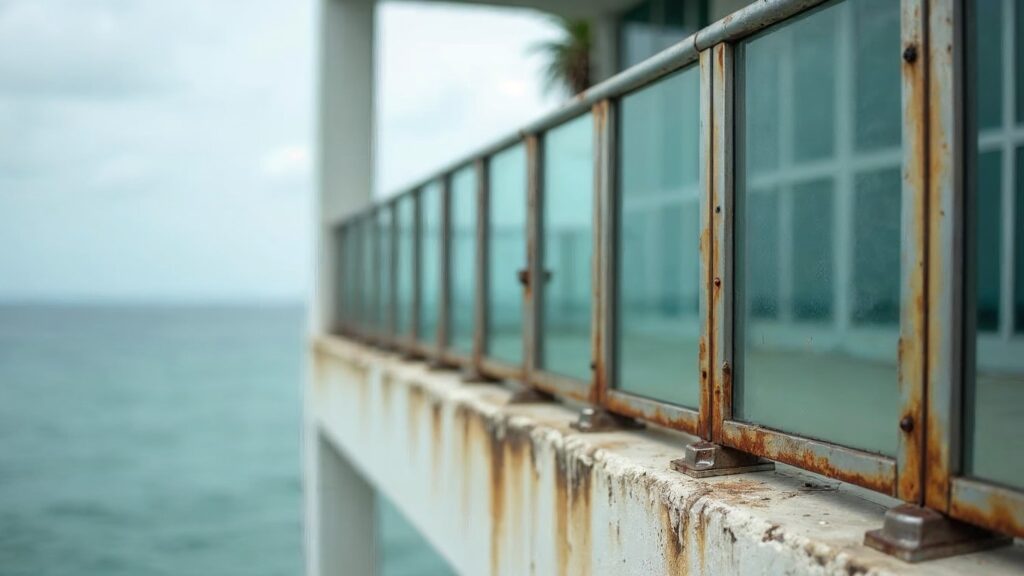
Not everything is convenient, and it's good to know this beforehand: bureaucracy is slow and requires in-person visits, power outages occur depending on the area, imported goods are expensive, and the climate causes materials to wear out faster than you're used to.
We go into detail—without sugarcoating it—about the downsides of living in the Dominican Republic. We'd prefer that you read this before you buy.
What do you need to live here legally?
You can stay as a tourist for a limited time, but if you want to live here, you should apply for a residency permit. The categories and requirements are published by the General Directorate of Migration, and the process related to a purchase is explained in “Dominican Residency Through Investment.”
How to Choose Where to Live
- Prioritize what you use every day, not what you'd use on vacation.
- Check out the school before the tour.
- Ask about a generator that can power the entire unit, not just the common areas.
- Check the actual internet connection at the condominium, not the one listed in the brochure.
- Visit the area on any Tuesday, not on a Saturday during peak season.
The unit types, price ranges, and criteria for choosing a unit are listed under " Apartments in Punta Cana."
Frequently Asked Questions
Is it expensive to live in Punta Cana?
It depends on your lifestyle. Local goods and personal services are cheaper than in Europe; imported goods, cars, and international schools are expensive.
Are there any international schools?
Yes, it offers bilingual and international programs, but space is limited. It's best to make arrangements in advance.
Is it possible to work remotely from there?
Yes, fiber is available in much of the area. The quality varies by condominium, so it's a good idea to ask about this before buying.
Do you need a visa to live in Punta Cana?
Not for tourist stays, as long as you stay within the permitted time frame. To reside here, you must apply for the appropriate residency permit.
Is this a good area for families?
It is for many—because of the climate, safety in gated communities, and the outdoor lifestyle. The real deciding factor is usually the school.
Let's talk about your day-to-day life
If you're thinking about living in Punta Cana and want to choose a neighborhood based on your actual lifestyle rather than a postcard image, write to us. You can view our portfolio under "Projects" or contact us via the "Contact" page.