No one who sells real estate in the Caribbean has any incentive to write about the downsides of living in the Dominican Republic, which is why it's worth reading.
The downside of living in the Dominican Republic isn’t usually what people fear before they arrive, but rather what wears them down afterward: slow bureaucracy, the unreliability of some services, the actual cost of imported goods, and a climate that takes a heavier toll on things than one might expect. None of these four things makes the country a bad place to live, and many people have lived here happily for decades. But they are real challenges, and knowing about them beforehand affects your decision in two ways: you’ll choose the right area and type of property more carefully, and you’ll arrive without unrealistic expectations.
Bureaucracy is slow and requires in-person visits
Procedures that can be completed online in Spain require you to go in person, wait, and come back here. Renewing a residence permit, changing the name on a utility account, or handling banking matters can take several visits.
It’s not insurmountable, but it does take time and patience. Most foreigners end up delegating the process to an agent or a lawyer, and that’s a recurring cost that should be factored into your budget from the start. The immigration requirements and categories are published by the General Directorate of Immigration; the pathways to residency linked to a purchase are explained in “Dominican Residency Through Investment.”
Services are not always continuous
Electricity outages vary by region, which is why a generator is not a luxury but a necessity for living in much of the country. The same is true for water supply and internet connectivity, which vary significantly between a well-managed condominium and one that is not.
This has practical implications when buying: you have to explicitly ask whether the power generator covers the apartment or just the common areas, what the water tank is like, and which internet provider is available. These are questions that no one asks during the viewing, but everyone ends up asking during the first month.
Imported goods are expensive
This is the part that most surprises visitors from Europe. Local fruit, fish, and service are inexpensive; cars, electronics, wine, cheese, and almost any European brand are significantly more expensive than in Spain due to tariffs and logistics.
The result is that the cost of living depends heavily on your lifestyle. Those who adapt to buying local can live on considerably less than they would in a Spanish city. Those who want to replicate their European shopping basket may spend more. We do not publish an index because any comparative figures we might present would lack a citable and comparable source.
Added to that are the condominium's fixed expenses, which apply starting from the first month and which we explain in the section on apartment maintenance costs.
The weather wears things down
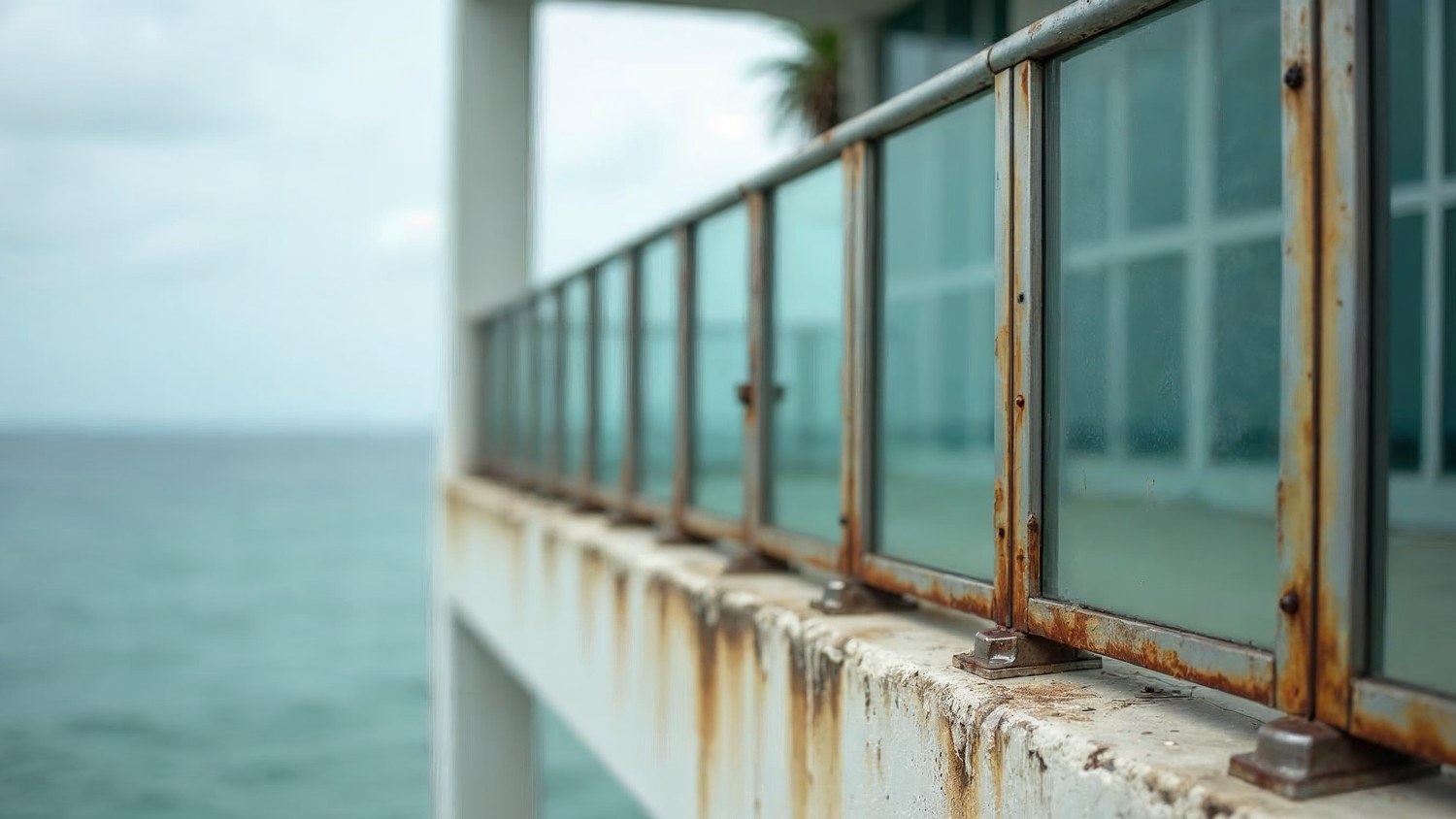
Salt air, humidity, and the sun take a heavy toll on materials. Railings, metal fixtures, air conditioners, appliances, and exterior woodwork age faster than they do in a temperate climate.
In financial terms: maintaining a coastal property is more expensive and requires more frequent upkeep than you're used to. And there's a hurricane season, from June to November, which is rarely severe but does affect insurance and construction.
The distance is real
A flight to Spain takes about eight hours, and that’s a burden when there’s a family emergency. The time difference is also a burden for those who continue to work with Europe. It’s obvious on paper, but it feels different in practice.
If this is what's so bad about living in the Dominican Republic, why do so many people stay?
Because the other side of the coin is also real: the climate, the ocean, the pace of life, a well-established expat community, and much lower costs for personal services. We cover that side in the benefits of moving to the Dominican Republic.
Our stance is simple: we’d rather you know the downsides of living in the Dominican Republic before you buy, not after. A buyer who arrives with realistic expectations stays; one who arrives with a picture-perfect image leaves within two years and sells in a hurry—which is the worst way to sell.
How to Minimize the Downsides of Living in the Dominican Republic When Choosing a Property
- Choose a condo with a generator that powers your unit and its own water tank.
- Question from management: A well-managed condominium solves half of these problems.
- Treat the administrative agency or attorney as a recurring expense, not a one-time expense.
- Choose materials and equipment designed for marine environments.
- If you're not going to live there year-round, figure out who will take care of the property while you're away.
The purchasing process for those who do not reside in the country is described in the section on how to make a purchase as a non-resident.
Frequently Asked Questions
Is it safe to live in the Dominican Republic?
It depends a lot on the area, as it does in any country. The gated communities on the east coast have access control and security, and that is the type of community most foreigners choose. We do not publish crime statistics because we do not have a comparable, up-to-date source to cite.
How much does it cost to live there compared to Spain?
It depends more on your lifestyle than on the country. Local products are cheaper, and imported ones are more expensive.
Is the healthcare system good?
There are high-quality private healthcare facilities in Santo Domingo and in the main tourist areas, and they are used with private insurance. Public healthcare is more limited.
Do you need a car?
Outside of downtown areas, practically yes. Public transportation doesn't serve residential communities very well.
Does the downside of living in the Dominican Republic justify ruling it out?
Not for a lot of people, but that's a personal choice. The honest thing to do is to make that decision with both columns in front of you.
Let's talk without a postcard
If you're thinking about moving or buying a home and want to have a conversation where we'll also be honest about the downsides, write to us. You can learn more about how we work on our website or reach out to us via the contact page.