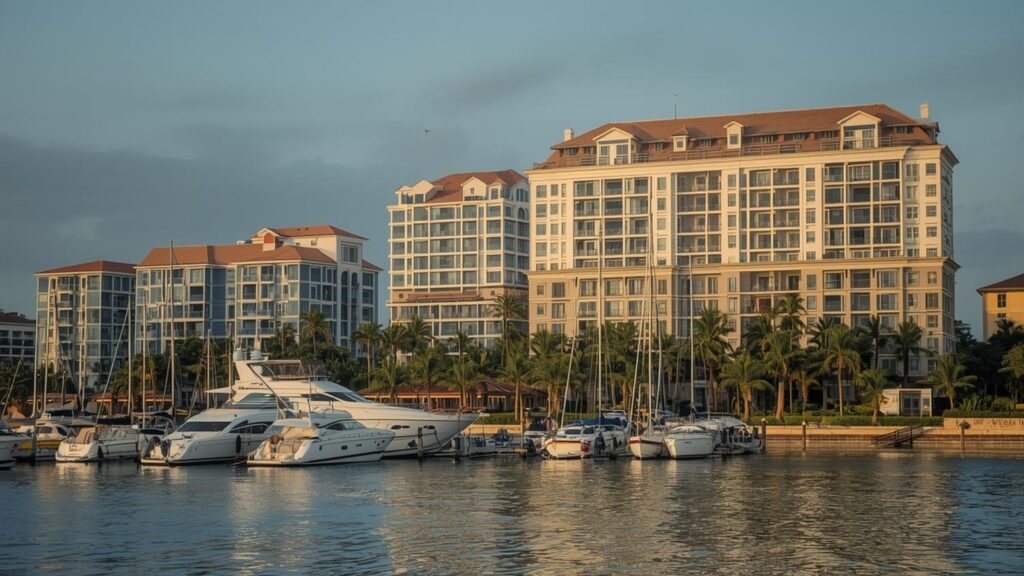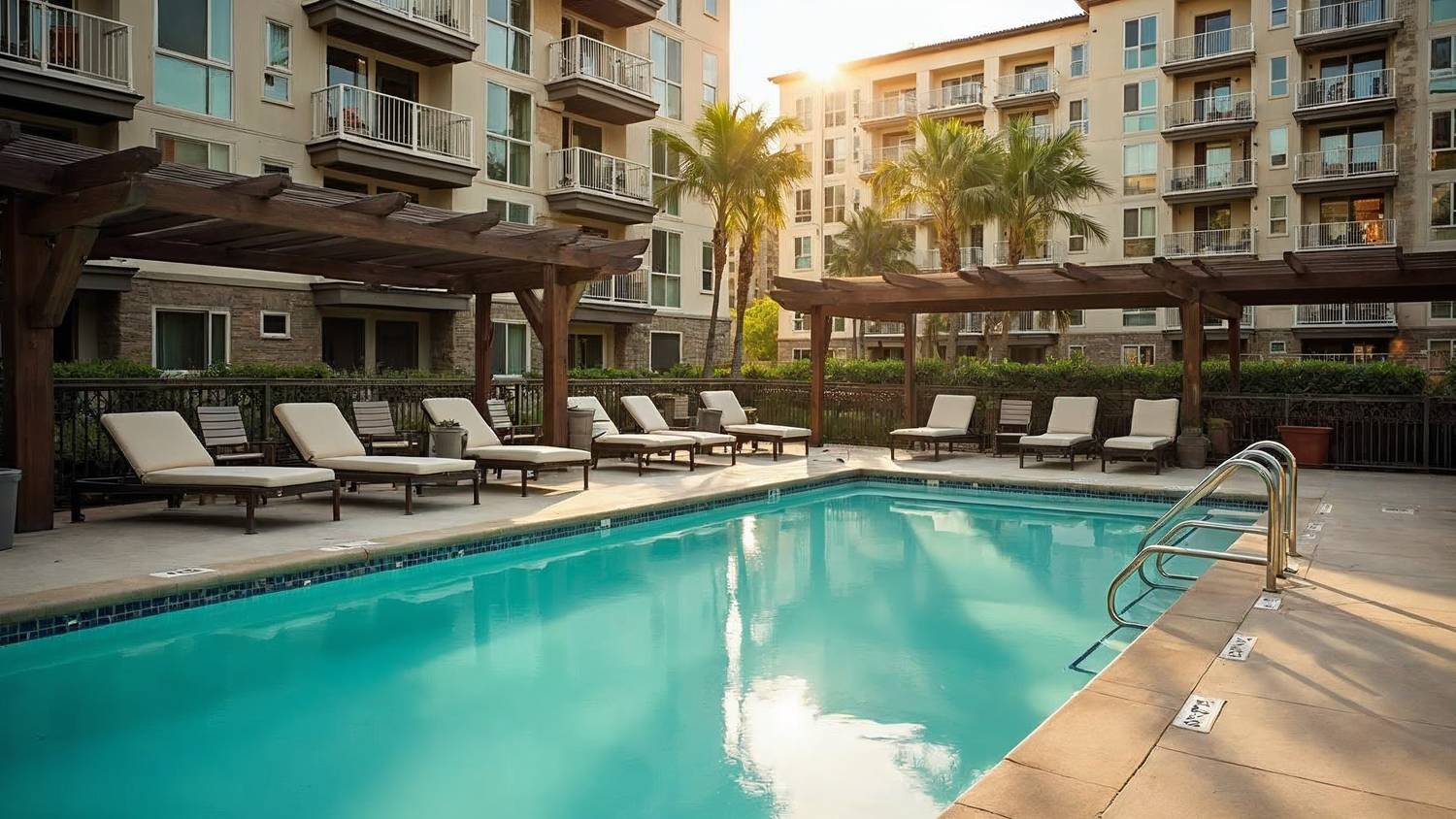
Every amenity that isn't used is paid for twice and doesn't add to the resale value: once in the purchase price and again every month in maintenance fees.
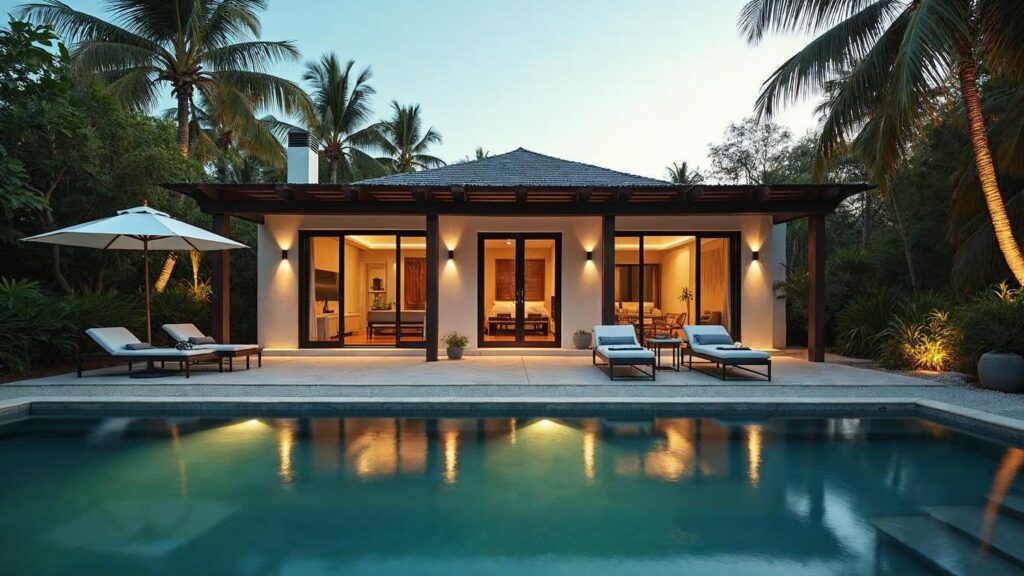
Among the best real estate investments in tourist areas, the ones that hold their resale value best aren’t those with the longest list of amenities, but rather those with amenities that people actually use on a daily basis and that are expensive to replicate. A well-sized pool, robust security, covered parking, and mature green spaces translate into steady demand from both guests and future buyers. A movie theater, an underutilized paddle tennis court, or a massive event hall drive up monthly maintenance costs for all owners and rarely sway a purchase decision. The right question to ask when evaluating a project isn’t how many amenities it has, but how much it costs to maintain them and how many will actually be used.
Why is maintenance the flip side of amenities?
Every amenity has recurring operating costs that are shared among the owners. A swimming pool means chemicals, a pump, staff, and replacement of equipment. A gym means equipment that rusts near the ocean and needs to be replaced. Green spaces mean ongoing landscaping and irrigation.
That cost appears on your monthly bill, whether the facility is full or empty. That's why the useful metric is the relationship between usage and cost:
- High utility and reasonable cost: these factors contribute to resale value.
- High utility and high cost: they go hand in hand, but you have to weigh them against each other.
- Low utility and high cost: these are drawbacks because they drive up the fee without generating demand.
We explain how this recurring expense erodes net profitability using formulas and a complete example of how to calculate the actual return on an apartment.
What amenities help maintain resale value?
| Amenity | Why does it affect resale value? |
|---|---|
| A well-sized pool | It's the most commonly used amenity on a daily basis in a Caribbean climate |
| 24-hour security with access control | A prerequisite for a significant portion of foreign buyers |
| Covered, assigned parking | Protects the vehicle from the sun and salt spray; often lacking in many projects |
| Mature Green Spaces | Difficult to replicate: vegetation takes years to grow |
| A generator to power the apartment | In the Dominican Republic, it's not a luxury—it's continuity of service |
| Tank and pump with ample capacity | Likewise: basic infrastructure that not everyone has |
| A high-quality, well-maintained elevator | In towers, it shapes the daily experience |
| A well-equipped and well-maintained gym | It is used and serves as a reference when comparing projects |
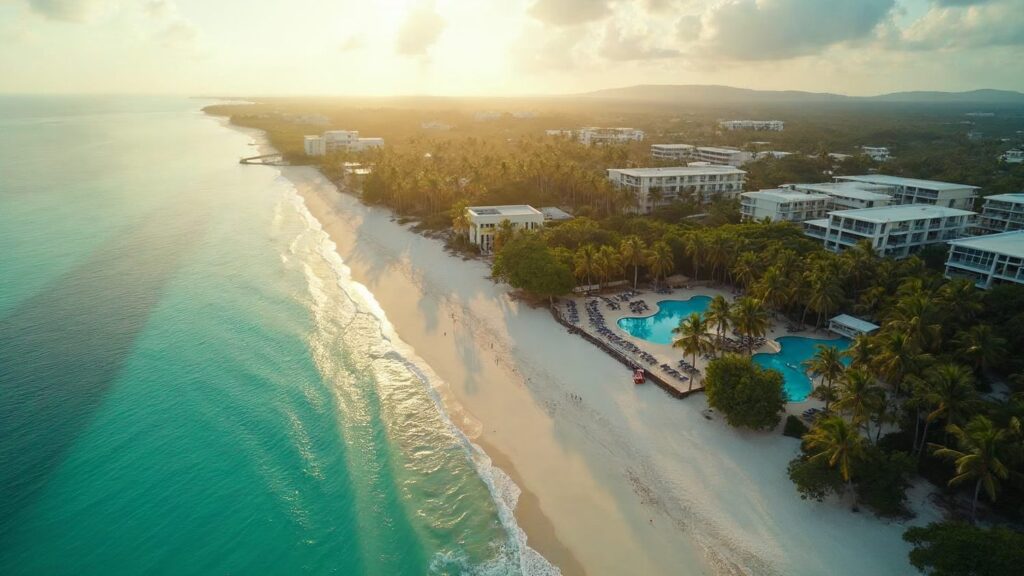
| Actual access to or proximity to the beach | An asset that is scarce by definition |
Notice a pattern: half of this list isn't an "amenity" in the marketing sense—it's infrastructure. The power plant, water tank, and security aren't shown in the rendering, but they're what drive purchasing decisions.
Those that rarely justify their cost (and lower the resale value)
- Movie theater or screening room. Very little use; expensive maintenance and equipment.
- Sports fields that are too large for the number of units in the project.
- Large event hall in small developments.
- A spa with permanent staff, unless the project is on a hotel scale.
- Duplicate amenities when the master development already offers them and charges for them separately.
None of them is bad in and of itself. The problem arises when a project with only a few units spreads the cost of maintaining facilities designed for three times as many residents among those few units.
How do you evaluate this before buying?
Five specific questions:
- What is the maintenance fee per square meter, and what exactly does it include?
- Are there two types of fees? In developments with a master plan, you usually pay both the condominium fee and the community fee.
- How many units share that cost? A small number of units supporting many amenities is a red flag.
- Is there a reserve fund for major repairs, or are the costs of each repair shared among the owners?
- Which amenities have already been built, and which ones are planned for a future phase? It's not the same thing.
Question 5 helps avoid a very common disappointment during the presale phase: buying based on a list of amenities that applies to Phase 3 of a project that is currently in Phase 1.
What factors are more important than amenities when it comes to resale value?
It's best to keep things in perspective. In order of actual impact on your apartment's resale value:
- Location. Nothing makes up for it.
- Construction quality and developer reputation. A well-built project stands the test of time.
- Terms of use, especially regarding whether or not short-term rentals are allowed.
- Confotur status, which exempts property from the ITBI and real estate wealth tax for 15 years and can be verified in the MITUR registry.
- Condominium management. A responsible management team preserves value; a poor one destroys it in just a few years.
- And then, the amenities.
We discuss what really drives property values in the eastern area in our article on capital gains in Punta Cana.
An example of balance
In golf resort projects such as Sun Garden at Coral Golf Resort, the amenities are scaled to accommodate continuous tourist use: a pool, security, and common areas that can meet the demand for short-term rentals without becoming a disproportionate burden per unit.
That's the criterion you should apply to any project you're evaluating. You can review the complete portfolio, including its amenities and property types, under " Projects."
Frequently Asked Questions
Which amenities add the most value to an apartment?
Those that are used daily and are costly to replicate: a properly sized pool, robust security, covered parking, mature green spaces, and utility infrastructure (power plant, water tank). These carry more weight than showpiece amenities.
Is a project with more amenities worth more?
Not necessarily. If the cost of maintaining them is spread across just a few units, the monthly payment goes up, which makes the apartment less attractive both for renting and for resale.
How do I know if the maintenance is reasonable?
Ask about the fee per square meter, what it includes, and how many units it covers. Compare it to similar projects in the area and check to see if there is a second fee associated with the master development plan.
What is a reserve fund, and why is it important?
This is the condominium's general reserve fund for major replacements (elevators, pumps, waterproofing). Without it, every major repair would be billed to the owners as a special assessment.
Do the amenities promised for future phases count?
Only if they are contractually guaranteed with a specific date. Buying based on amenities from a later phase is one of the most common mistakes made during presales.
At Garrigó Real Estate, we show you the actual monthly payment for each project, how many units are included in that payment, and which amenities are currently available.
Let's talk about your next investment · Message me on WhatsApp